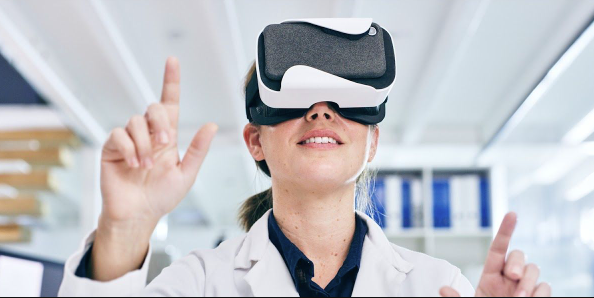
The integration of technology into global healthcare is poised to redefine patient interactions and care delivery. Telemedicine offers unprecedented access to healthcare services, while artificial intelligence enhances diagnostic precision and treatment protocols. Additionally, wearable devices promote continuous health monitoring, fostering patient engagement. However, as these innovations proliferate, they raise critical concerns regarding data privacy and security. Understanding the implications of these advancements will be essential as the healthcare landscape continues to evolve.
How Telemedicine Is Revolutionizing Patient Care
As healthcare continues to evolve, telemedicine emerges as a transformative force that enhances patient care by increasing accessibility and efficiency.
Virtual consultations break down geographical barriers, offering vital services to patients in rural areas who previously faced limited access to healthcare professionals.
This innovative approach not only streamlines communication but also empowers individuals to take charge of their health, fostering a sense of autonomy.
The Role of Artificial Intelligence in Diagnosis and Treatment
Telemedicine has set the stage for the integration of advanced technologies like artificial intelligence (AI) in the healthcare landscape, significantly enhancing diagnostic and treatment processes.
Machine learning applications enable rapid data analysis, while predictive analytics tools forecast patient outcomes with increased accuracy.
These innovations empower healthcare professionals to make informed decisions, ultimately fostering a more personalized, efficient, and effective approach to patient care.
Wearable Technology: Enhancing Patient Monitoring and Engagement
While traditional methods of patient monitoring often rely on periodic check-ups, the emergence of wearable technology has revolutionized the way healthcare providers engage with patients.
This technology facilitates remote monitoring, allowing continuous health data collection.
Moreover, health gamification encourages patient participation, fostering proactive health management.
Together, these advancements create a dynamic ecosystem that empowers individuals to take charge of their health, enhancing overall engagement and outcomes.
See also: quotelanet
Addressing Data Privacy and Security in Healthcare Technology
How can healthcare providers effectively balance the benefits of technological innovation with the imperative of safeguarding patient information?
Implementing robust data encryption methods is essential, ensuring that sensitive health data remains secure.
Moreover, prioritizing patient consent fosters trust and empowers individuals to control their information.
Conclusion
In conclusion, the trajectory of technology in global healthcare is akin to a rising tide, elevating the standards of patient care and accessibility. As telemedicine expands, artificial intelligence refines diagnostics, and wearable devices foster engagement, a transformative healthcare landscape emerges. However, the advancement of these solutions necessitates unwavering commitment to data privacy and security, ensuring that patient trust is preserved. Ultimately, the integration of these technologies heralds a new era of personalized, efficient, and proactive healthcare.