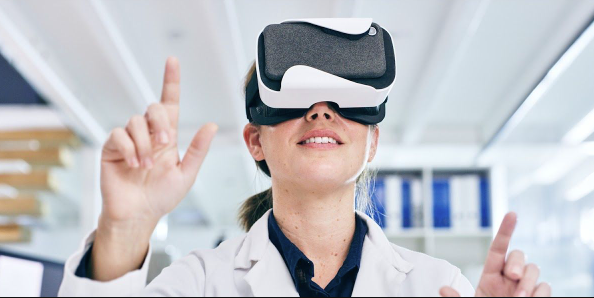
The evolution of telemedicine platforms is marked by significant technological advancements and shifting patient expectations. As remote consultations become more commonplace, key innovations such as artificial intelligence and wearable devices enhance the efficiency of healthcare delivery. However, with these advancements arise critical concerns regarding privacy and security. Understanding how these factors influence patient-provider dynamics will be essential in shaping the future of telehealth and its impact on personal healthcare autonomy.
The Rise of Remote Consultations: What to Expect?
The emergence of remote consultations has significantly transformed the landscape of healthcare delivery, with studies indicating that nearly 70% of patients are now open to receiving medical care via telemedicine platforms.
This shift towards virtual health has led to notable accessibility improvements, allowing diverse populations to engage with healthcare services.
As technology evolves, expectations for remote consultations will likely continue to grow, emphasizing patient autonomy and convenience.
Key Technologies Transforming Telemedicine Platforms
Advancements in key technologies are reshaping telemedicine platforms, ultimately enhancing the quality and efficiency of virtual healthcare.
AI integration optimizes patient triage and diagnosis, streamlining workflows and improving outcomes.
Additionally, wearable devices provide real-time health data, empowering both patients and providers to make informed decisions.
Together, these technologies create a more responsive and dynamic telehealth environment, promoting greater autonomy in patient care.
See also: Maximize Your Growth 636125431 Digital Tools
Addressing Privacy and Security Concerns in Telehealth
Ensuring robust privacy and security measures is paramount for the successful implementation of telehealth services, as increasing reliance on digital platforms exposes sensitive patient information to potential threats.
Effective data encryption protocols and stringent patient consent processes are essential in safeguarding this information.
Organizations must continually assess vulnerabilities, implement advanced technologies, and foster a culture of transparency to maintain patient trust in an evolving digital landscape.
The Future of Patient-Provider Relationships in a Digital World
As digital platforms increasingly mediate interactions between patients and healthcare providers, the dynamics of these relationships are poised for significant transformation.
Virtual empathy will become integral, fostering deeper connections despite physical distance.
Simultaneously, the establishment of digital trust is essential for effective communication and adherence to treatment.
Together, these elements will redefine how patients perceive and engage with healthcare in an increasingly digital landscape.
Conclusion
As telemedicine platforms evolve, they herald a new era in healthcare—one where convenience intertwines with compassion. The convergence of advanced technologies and patient empowerment creates a landscape where healthcare is not merely a service but a shared journey. With robust measures addressing privacy and security, the relationship between patients and providers is poised to deepen, transforming traditional paradigms. Ultimately, this digital revolution invites us to rethink the essence of care, fostering a future where health is accessible to all.